
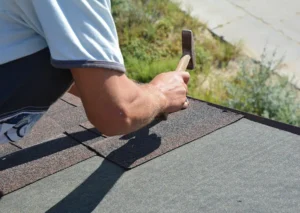
A roof replacement is a major investment for Arlington property owners, and choosing an experienced team helps ensure lasting value, durability, and peace of mind. Rainstone provides complete replacement services using high-quality materials built to withstand Texas weather. As a trusted roof replacement company, we guide clients through every step of the process, from assessing the existing structure to selecting the best materials for long-term performance. If your roof is nearing the end of its lifespan or has significant damage, call Rainstone at 817-383-2869 for a free consultation and expert evaluation.
Factors That Affect Roof Replacement Costs
Replacing a roof is a significant investment for any property owner in Arlington, Texas. The cost of a roof replacement can vary widely depending on a variety of factors. Understanding these factors helps homeowners and business owners plan effectively, budget appropriately, and make informed decisions about their roofing needs. A roof replacement is not just about material costs—it involves labor, design, and several other elements that contribute to the final price.
Type of Roofing Material
The material chosen for a new roof is one of the most important factors affecting cost. Asphalt shingles are generally the most affordable option, offering a balance between durability and cost. Tile, slate, and metal roofs, on the other hand, provide increased longevity and aesthetic appeal but come with higher upfront expenses.
Clay or concrete tiles are heavier and more durable than asphalt, which can increase both material and labor costs. Slate roofs are long-lasting and resistant to fire and weather, but installation requires skilled professionals and additional structural support, adding to the overall expense. Metal roofs provide energy efficiency and durability but may be more costly initially compared to traditional shingles.
Size and Complexity of the Roof
The size of the roof directly impacts the cost of replacement. Larger roofs require more materials and longer labor hours, increasing the overall expense. Roof complexity also plays a role. Homes with multiple levels, steep slopes, dormers, or intricate designs require more time and expertise to replace, which adds to labor costs.
Complex rooflines often involve more cutting, fitting, and sealing of materials, making the installation process more labor-intensive. Even the shape of the roof can affect material usage, as irregular designs may result in additional waste or specialized cutting.
Roof Pitch and Accessibility
The pitch, or steepness, of the roof influences installation difficulty and safety requirements. Steep roofs are harder to work on and often require additional safety measures, scaffolding, and equipment. These requirements increase labor costs and overall project pricing.
Accessibility also matters. Roofs with limited access, such as those surrounded by landscaping, fences, or other structures, may require extra effort to transport materials and equipment to the work area. These challenges can extend the duration of the project and add to labor costs.
Existing Roof Condition
The condition of the existing roof plays a major role in replacement costs. If the roof has extensive damage, such as rot, leaks, or structural issues, additional repairs may be necessary before new materials can be installed. Removing old roofing materials and preparing the roof deck adds both time and cost to the project.
Sometimes, multiple layers of shingles need to be removed before installation, which increases disposal fees and labor. A thorough inspection before replacement helps identify these issues and allows property owners to budget accurately.
Underlayment and Additional Components
Roof replacement is not only about shingles or tiles. Underlayment, flashing, vents, gutters, and insulation all contribute to overall cost. High-quality underlayment improves durability and water resistance but may be more expensive than standard options. Proper flashing around chimneys, vents, and skylights is crucial to prevent leaks and protect the structure, adding to material and labor costs.
Upgrading insulation or ventilation systems during a roof replacement can improve energy efficiency and comfort but also increases the overall investment. Property owners should consider the long-term benefits of these components when evaluating costs.
Labor and Installation Costs
Labor accounts for a significant portion of roof replacement expenses. Experienced roofing contractors charge rates based on skill, complexity, and local market conditions. Hiring a licensed and insured professional ensures that the work is done safely, efficiently, and up to code.
While labor costs may vary between contractors, it is important to focus on quality and reputation. Cutting corners to save money can result in poor installation, leaks, and reduced lifespan, ultimately costing more in repairs or early replacement.
Permits and Local Regulations
In Arlington, certain roofing projects may require permits or adherence to local building codes. Permit fees and compliance with regulations can increase project costs, but they are necessary to ensure safety and legality. Professional roofing contractors typically handle permit applications and inspections as part of the replacement process, which provides convenience and peace of mind.
Seasonal Timing and Market Conditions
The timing of a roof replacement can also influence cost. Roofing demand tends to increase during certain seasons, particularly spring and summer, which may lead to higher labor rates and longer scheduling times. Conversely, off-season projects may offer some cost savings and more flexible scheduling.
Market conditions, such as the availability of materials and fuel prices, can also impact the overall price. Sudden increases in material costs, shipping delays, or labor shortages can affect the final cost of a roof replacement.
Several factors influence the cost of replacing a roof in Arlington, Texas. Material selection, roof size and complexity, pitch and accessibility, existing roof condition, underlayment and components, labor, permits, and market conditions all contribute to the final expense. Understanding these factors helps property owners plan effectively and make informed decisions about their roofing investment.
Working with experienced roofing professionals ensures that replacements are done correctly, using the appropriate materials and techniques. While roof replacement can be a significant upfront cost, investing in high-quality materials and professional installation provides long-term protection, energy efficiency, and peace of mind for property owners. Careful planning, proper maintenance, and timely repairs help maximize the value and lifespan of a new roof.
Invest in Long-Term Protection With Professional Roof Replacement
A roof replacement is a significant decision, and selecting the right roof replacement company ensures your Arlington property receives the durability and performance it deserves. Rainstone delivers precise installation using high-quality materials that withstand Texas weather and support long-term value. Our team is committed to guiding you through the process with clear communication and expert recommendations. If you are considering replacing your roof, call Rainstone at 817-383-2869. We are here to provide dependable service that protects your home or business well into the future.