
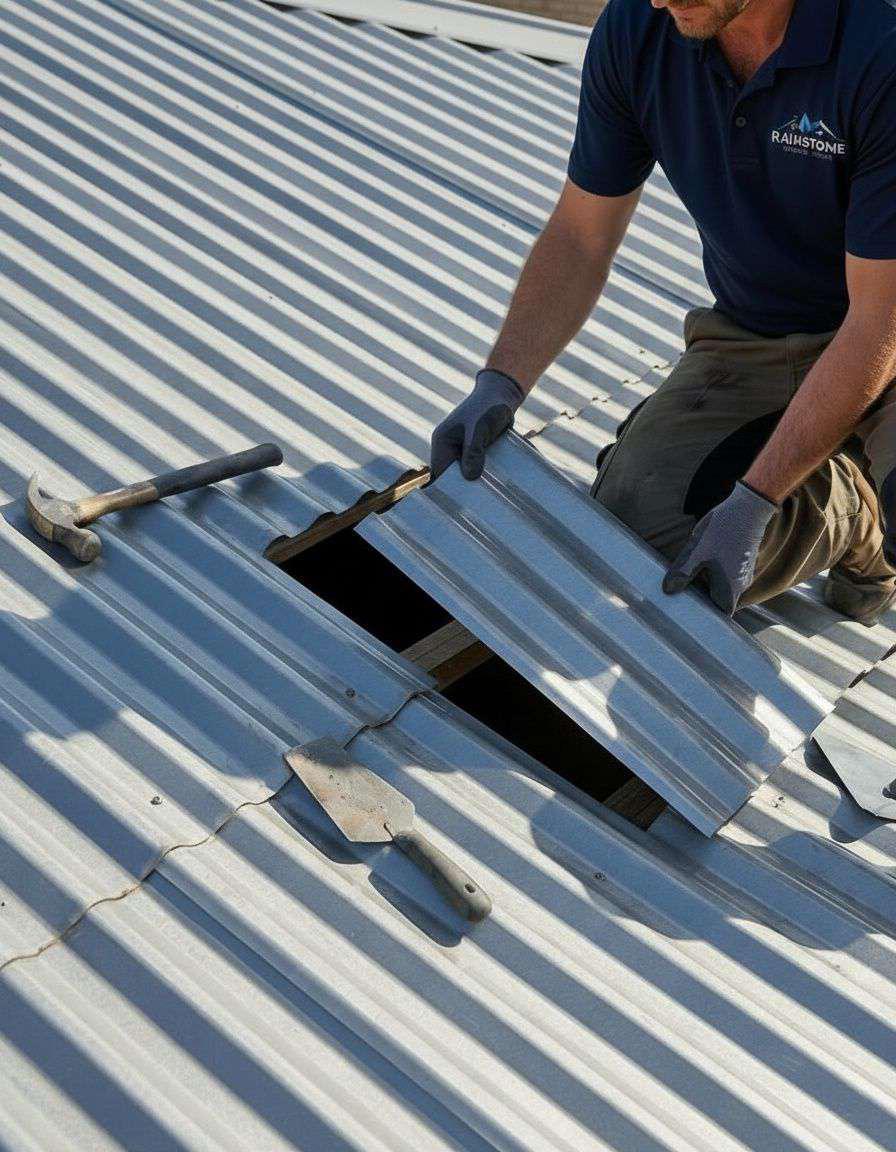
Roofs don’t last forever, and in a state like Texas, the weather alone can shave years off a roof’s lifespan. Between scorching heat, sudden storms, hail, and high winds, your home’s first line of defense takes a beating year after year. But how do you know when repairs are no longer enough, and it’s time to move forward with a full roof replacement? Understanding the signs can save you from costly damage and help you plan your investment wisely.
The Age of Your Roof Matters More Than You Think
Every roof has a life expectancy. Asphalt shingles usually last 15 to 30 years, metal roofs can hold up for 40 or more, and tile or slate can go well beyond 50 years with proper care. But here in Texas, those numbers can be lower due to extreme heat and sudden storms. If your roof is over 20 years old and you’re starting to see wear, it might be time to assess the entire system. Age alone doesn’t mean replacement is urgent, but combined with other signs, it’s a major factor.
Shingles That Are Curling, Cracking, or Missing
Shingles are designed to lie flat and overlap in a way that sheds water efficiently. When they start curling at the edges or cracking down the middle, their protective ability drops sharply. Missing shingles are another red flag. If storms have taken a few off or you notice bald patches on your roof, it’s likely that water is finding its way underneath. One or two can be replaced, but widespread damage often points to the need for a new roof.
Granule Loss on Shingles Is a Serious Warning
If you notice a buildup of shingle granules in your gutters or downspouts, that’s not something to ignore. Those granules protect the shingle surface from the sun’s UV rays and help with water resistance. Once they begin to wear off, the roof is far more vulnerable to leaks and heat damage. Granule loss often happens toward the end of a roof’s useful life, particularly in Texas where sun exposure is relentless.
Your Roof Has Sagging Areas or Uneven Surfaces
A sagging roof is a serious concern. It could mean damage to the underlying structure—possibly the decking or even the supports in your attic. This can be due to prolonged water damage, poor ventilation, or just age-related failure. Even if it looks subtle from the ground, any unevenness should be inspected right away. Sagging isn’t a surface-level issue. It typically means the roof system is failing and replacement is necessary.
Water Stains or Leaks in Your Attic or Ceilings
Water has a sneaky way of traveling before it shows up as a stain inside your home. If you see discoloration on your ceilings, blistering paint on the walls, or active drips in the attic after a rain, that’s a sign your roof isn’t doing its job anymore. One leak doesn’t always mean full replacement. But recurring leaks, especially in different parts of the home, often point to a larger breakdown in your roofing system.
Texas Storms Leave Behind Hidden Damage
Storms are frequent in many parts of Texas, especially hailstorms. Hail can cause bruising to shingles, making them brittle and prone to cracking even if the damage isn’t immediately obvious. High winds can lift shingles or loosen flashing, making future leaks more likely. After any major weather event, it’s wise to get a roof inspection—even if everything looks fine from the ground. The longer you wait, the harder it becomes to file a successful insurance claim.
Skyrocketing Energy Bills Can Point to Roofing Issues
Your roof plays a key role in how well your home regulates temperature. If your attic isn’t properly ventilated or the roofing materials are deteriorating, your HVAC system will have to work much harder. A sudden increase in energy costs, especially in summer, can be a sign that your roof is no longer reflecting or insulating properly. In some cases, a new roof with reflective materials or better ventilation can make a noticeable difference in your monthly bills.
Moss, Algae, or Mold Is Growing on the Roof
This kind of growth isn’t just about appearances. Moss and algae can trap moisture on your shingles, leading to faster deterioration. Mold is even worse, especially if it spreads into your attic. These problems are common in shaded or humid areas, but they’re still a concern throughout Texas after heavy rains or long humid periods. If the growth is widespread, it may be affecting the integrity of your roofing system.
The Roof Looks Worn Out Compared to Neighboring Homes
Homes in a neighborhood are often built around the same time. If your neighbors are replacing their roofs and yours is still original, it might be time to schedule an inspection. Even if there are no leaks yet, roofing materials wear down gradually. Once the surface is compromised, problems can start fast—especially in unpredictable Texas weather.
Getting a Professional Inspection Can Clarify the Situation
Not every sign means immediate replacement. Some issues can be fixed with targeted repairs, while others mean a new roof is the safer and more cost-effective choice. A qualified roofing contractor can evaluate the entire system—shingles, decking, flashing, ventilation, and drainage—to give you a clear picture of where things stand. Regular inspections also give you documentation if you ever need to file an insurance claim.
Conclusion
Living in Texas means your roof goes through more wear and tear than in many other parts of the country. Knowing what to look for helps you stay ahead of major issues and avoid expensive interior damage. Signs like curling shingles, granule loss, water leaks, sagging areas, or storm damage should never be ignored.
Even if your roof is still holding together, an inspection can tell you how much longer it might last and whether small fixes will buy you more time. In many cases, homeowners who act early on these signs end up saving thousands by preventing bigger structural problems.
A timely roof replacement can also improve your home’s value and boost energy efficiency. If you’re unsure where your roof stands, contact a local Texas roofing professional for a detailed inspection. Knowing your options now will give you peace of mind—and a better plan for the future.

Field Operations Director
With over 30 years of hands-on experience in the residential and commercial roofing industry, Scott Marestein has done it all — from installer to Vice President of Operations, managing projects ranging from 5 to 20,000 squares across five states. A seasoned estimator, project manager, and sales professional, Scott has built relationships with national accounts including Whataburger, Darden Restaurants, and the U.S. Postal Service.