
Texas weather doesn’t make roofing decisions easy. A single year can bring triple-digit summer heat, sudden hailstorms, high winds, and heavy rain, sometimes within the same season. Choosing a roofing material means weighing how well it holds up against each of these conditions, not just how it looks on installation day. This article walks through how several common roofing materials perform against heat, hail, and wind, and offers a framework for thinking through a roof replacement decision based on your home’s specific exposure and priorities.
Understanding Texas’s Roofing Challenges
Extreme Heat and UV Exposure
Sustained high temperatures and intense ultraviolet exposure are a near-constant feature of the Texas summer, and both take a toll on roofing materials over time. Heat causes some materials to expand and contract repeatedly, which can lead to cracking or granule loss over the years, while prolonged UV exposure gradually breaks down certain surfaces. Materials with better heat and UV resistance tend to hold their appearance and performance longer in this climate, which can matter as much for a homeowner’s long-term maintenance budget as the initial installation cost.
Hail and Severe Storms
Much of Texas sits within a region prone to severe thunderstorms capable of producing damaging hail. Hail forms when strong updrafts within thunderstorms carry water droplets into extremely cold portions of the atmosphere where they freeze, and stronger updrafts can produce larger, more damaging stones. Because hail is such a frequent concern across the state, impact resistance is one of the more important factors for Texas homeowners to weigh when selecting a material.
High Winds and Storm Systems
Texas also experiences strong straight-line winds and, in some regions, tropical storm activity, both of which test how securely a roofing material is fastened to the structure below. Materials and installation methods rated for higher wind speeds tend to perform better in these conditions, and proper installation matters just as much as the material itself when it comes to wind resistance.
Comparing Common Roofing Materials
Asphalt Shingles
Asphalt shingles remain one of the most widely used roofing materials in Texas due to their moderate cost and wide availability. Performance varies by product tier, with impact-resistant shingle lines designed to better withstand hail than standard options. Asphalt shingles can be more susceptible to heat-related wear over time compared to some other materials, which is worth factoring into a long-term cost comparison.
Metal Roofing
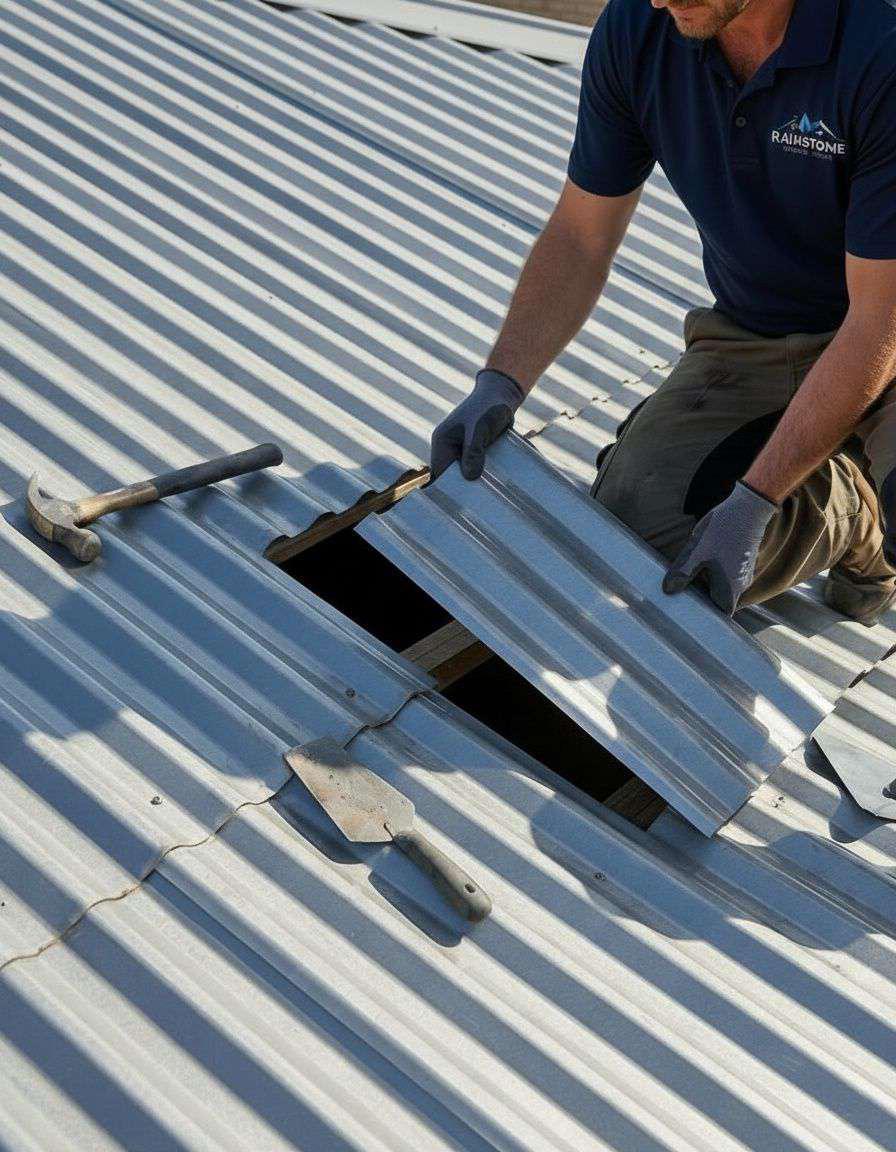
Metal roofing has grown in popularity across Texas in part because of its strong performance against heat, wind, and, depending on the panel type and gauge, hail. Metal reflects a significant amount of solar heat rather than absorbing it, which can help moderate attic temperatures during peak summer months. Some metal roofing systems can also dent under large hail, so homeowners in especially hail-prone areas should ask about a specific product’s impact rating.
Tile Roofing
Clay and concrete tile perform well against Texas heat, offering natural thermal mass and airflow beneath the tiles that can help moderate interior temperatures. Tile is also generally durable against wind, provided it is properly fastened. Individual tiles can crack under significant hail impact, though the underlying roof structure often remains protected, meaning repairs are usually limited to the visible cracked units rather than the whole system. Tile’s weight, similar to slate, means a structural evaluation is generally recommended before installation on a home not originally designed for it.
Slate Roofing
Natural slate offers excellent longevity and holds up well against Texas heat, since it does not degrade under UV exposure the way some synthetic materials can over time. It is a heavier material requiring appropriate structural support, and while durable, individual tiles can still be damaged by significant hail impact, so periodic inspection remains important regardless of material choice.
Matching Material to Your Home and Priorities
Weighing Upfront Cost Against Long-Term Performance
A lower upfront cost doesn’t always translate into lower cost over the life of a roof, particularly in a climate as demanding as Texas. Materials that hold up better against heat and hail may reduce the frequency of repairs or replacement, which is worth weighing against the initial price difference when comparing options for your home. A roofing professional can help translate these tradeoffs into a realistic estimate of total cost over time, rather than comparing materials on upfront price alone.
Considering Your Home’s Specific Exposure
Not every part of Texas faces identical weather risk. Homes in areas with a documented history of frequent, large hail may benefit from prioritizing impact resistance more heavily than homes in regions where wind or heat represent the bigger long-term concern. A local roofing professional familiar with your specific area’s weather patterns can help contextualize these tradeoffs for your property, since general statewide guidance can only go so far when it comes to a specific address and roofline.
Getting a Professional Assessment
Because so many variables affect which material makes sense for a given home, from roof pitch and structural capacity to budget and personal style preferences, a property-specific consultation is generally more useful than general comparisons alone. A roofing professional can walk your property, discuss your priorities, and provide recommendations tailored to your home rather than a one-size-fits-all answer.
Making a Roofing Decision Built for Texas Weather
No single roofing material is automatically the right choice for every Texas home, since the best option depends on your budget, your home’s structure, and how much weight you place on heat performance versus hail resistance versus longevity. Asphalt, metal, tile, and slate each bring distinct strengths to a climate that regularly tests roofing materials in multiple ways throughout the year, and the right combination of those strengths depends entirely on your specific home and goals. Rainstone Roofing is a trusted roofing company helping homeowners across Texas evaluate these tradeoffs for their specific homes, and our team is glad to walk through which materials might make the most sense for your property and priorities.

Field Operations Director
With over 30 years of hands-on experience in the residential and commercial roofing industry, Scott Marestein has done it all — from installer to Vice President of Operations, managing projects ranging from 5 to 20,000 squares across five states. A seasoned estimator, project manager, and sales professional, Scott has built relationships with national accounts including Whataburger, Darden Restaurants, and the U.S. Postal Service.