
Industrial buildings have unique roofing demands. Whether it’s a warehouse, manufacturing plant, or distribution center, the structure’s roof must hold up against Texas weather while keeping operational costs low. Metal roofing has become a go-to option for many facility managers across the state—and for good reason. It’s more than just a durable material. It provides real, measurable benefits that improve long-term performance and reduce maintenance headaches.
Built to Withstand Harsh Weather Conditions
Texas weather is no joke. From blistering summer heat to sudden hailstorms, a roof has to handle it all. Metal roofing stands up well to these extremes. Unlike traditional materials that may warp or crack over time, metal panels are engineered for strength. They don’t split in the sun, and they resist damage from high winds and impact.
Hail, which is a regular problem in many parts of Texas, can dent some materials beyond repair. Metal roofs are typically rated for impact resistance and are less likely to sustain serious damage. This can make a major difference when it comes to insurance claims and downtime after a storm.
Energy Efficiency That Pays Off Over Time
Managing energy costs in large industrial spaces can be a constant challenge. Metal roofing reflects solar radiation, which helps regulate indoor temperatures. This is especially important in Texas, where cooling systems often run for most of the year.
Some systems include reflective coatings or finishes designed to further reduce heat absorption. These “cool roof” options don’t just benefit energy bills. They also ease the strain on HVAC equipment, extending its service life.
Even uncoated metal roofs often perform better than traditional black asphalt systems when it comes to solar reflectance. Over time, those savings add up—and they’re particularly noticeable in large facilities.
Low Maintenance Needs Save Time and Money
Industrial operations don’t have room for constant maintenance issues. A key advantage of metal roofing is its low upkeep. These systems require fewer repairs and inspections compared to other materials.
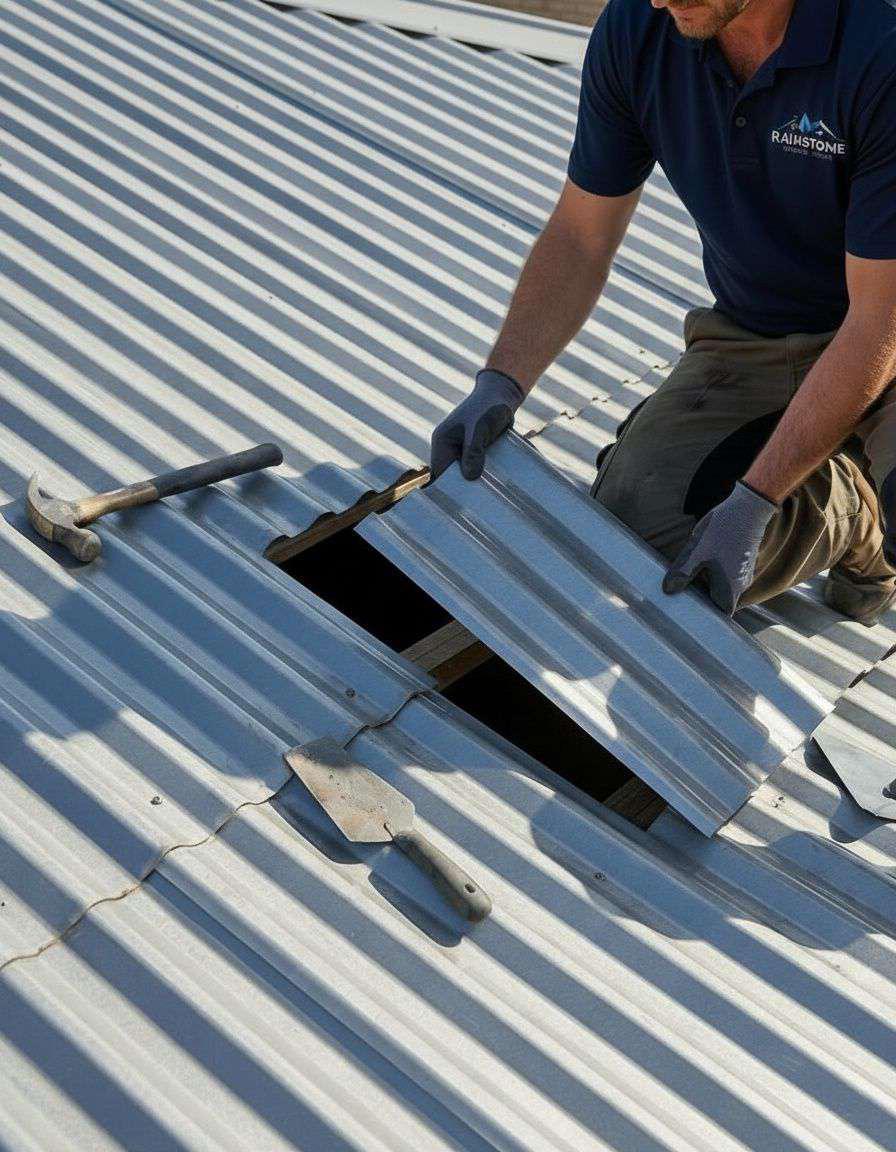
While regular inspections are still recommended—especially after major storms—most metal roofs can go for years without needing repairs. If damage does occur, individual panels can usually be replaced without reworking large sections.
Facility managers also benefit from fewer leaks. The interlocking design of metal panels, combined with proper installation, offers solid protection against water intrusion. That translates into fewer interruptions to your operations and less risk to expensive machinery or inventory.
Longevity That Outlasts Other Materials
One of the biggest reasons industrial buildings are moving to metal roofing is lifespan. While traditional flat roofs may last 15 to 20 years with frequent upkeep, metal roofs often perform well for 40 years or more.
The long life expectancy makes the initial investment more cost-effective. Instead of facing a full replacement after two decades, many facilities enjoy decades of reliable performance with only minor updates.
Over time, this longevity helps reduce lifecycle costs. You’re not only paying less for repairs—you’re also avoiding the large capital expense of repeated roof replacements.
Custom Options for Complex Roof Layouts
Industrial facilities often have complex roof designs. Equipment like exhaust systems, vents, and rooftop machinery create unusual shapes and penetration points. Metal roofing systems are highly adaptable in this regard.
Manufacturers can fabricate panels in custom widths and lengths to fit irregular layouts. Many systems can also be installed around existing infrastructure without disrupting operations.
This level of customization makes metal a practical choice for retrofit projects. If your facility is still operating with an aging roof, metal roofing can often be installed over the existing material without a complete tear-off, depending on the condition and structure.
Fire Resistance Adds a Layer of Protection
For facilities that deal with flammable materials or heat-intensive operations, fire safety is a top concern. Metal roofing is non-combustible, which adds an extra layer of defense against fire risks.
In many cases, metal roofs meet Class A fire ratings, the highest classification available. This not only protects the structure and contents but can also contribute to better insurance rates, especially in fire-prone areas.
Sustainability and Environmental Responsibility
Today’s industrial property owners are under increasing pressure to adopt sustainable practices. Metal roofing helps in this area too. Most systems are made from recycled materials and are themselves recyclable at the end of their service life.
Unlike some traditional roofing options, which end up in landfills, metal panels can be repurposed or reprocessed. This supports sustainability goals and helps companies align with environmental standards or certifications.
Additionally, the energy efficiency benefits of metal roofing reduce the building’s overall carbon footprint. Lower energy use contributes to long-term environmental performance.
Professional Installation Makes the Difference
Metal roofing offers strong performance, but the benefits depend on proper installation. Industrial roofs are not simple projects. Poor installation can lead to fastener failures, moisture problems, and system inefficiency.
Working with a Texas-based contractor familiar with industrial roofing systems is essential. A qualified crew understands the importance of sealing, flashing, and structural compatibility. They also know how to work around the demanding schedule of a busy industrial site.
Pre-installation assessments, moisture mapping, and insulation evaluations all play a role in a successful outcome. A good roofing partner will take the time to plan the project around your operation’s needs.
Conclusion
Switching to a metal roofing system is more than a cosmetic update—it’s a strategic investment. For Texas industrial facilities, the benefits go far beyond appearance. You get long-term durability, better energy efficiency, and fewer headaches when it comes to maintenance and storm damage.
Whether you’re building from the ground up or considering a retrofit, metal roofing provides the strength and reliability industrial facilities demand. By working with a professional roofing contractor that understands the local climate and building codes, you can be confident that your investment will pay off for decades to come.

JD Bruno is General Manager of Rainstone Roofing in DFW, a hands-on leader focused on customers and results with 9+ years in roofing.