
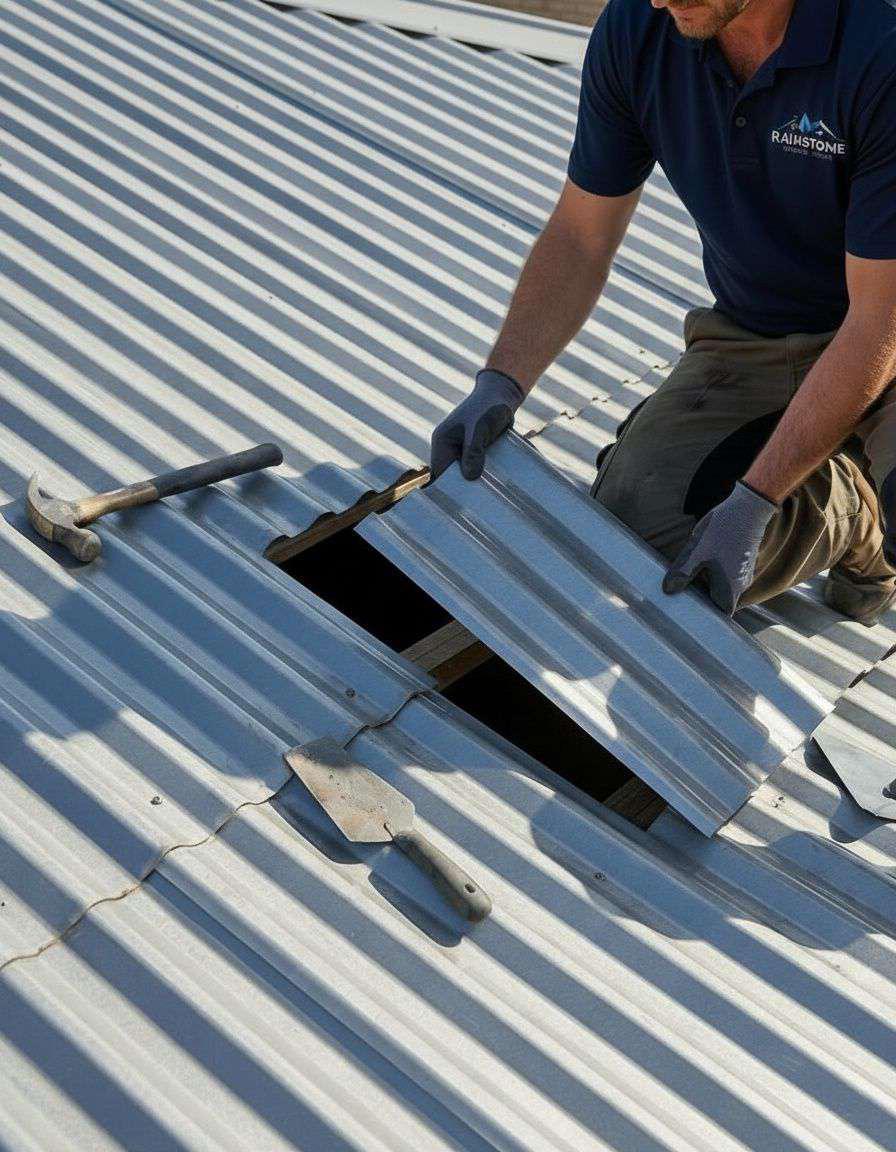
Texas businesses operate in a demanding climate. Warehouses in the Dallas-Fort Worth area, retail centers in San Antonio, offices in Austin, and industrial facilities near the Gulf Coast all face long stretches of intense heat, periodic hailstorms, and heavy seasonal rain. The roof overhead protects inventory, equipment, employees, and customers, so choosing the right system is an important business decision. Fortunately, there are several proven commercial roofing options, each with its own strengths and tradeoffs. Some prioritize energy efficiency, others emphasize durability or ease of repair, and some offer a balance of several qualities. Understanding how the most common options compare can help business owners narrow the field before speaking with a contractor. Those comparing systems may also want to learn more about professional commercial roofing services in Texas.
Single-Ply Membrane Systems
Single-ply membranes are among the most widely used options for low-slope commercial roofs. They are made from flexible sheets that are fastened, adhered, or ballasted over insulation.
TPO Roofing
Thermoplastic polyolefin, commonly called TPO, is a popular choice for Texas buildings because it is typically white and highly reflective. This reflectivity may help reduce rooftop temperatures and cooling costs during hot summers. TPO seams are heat-welded, which can create strong, watertight connections when installed correctly. It is generally considered a cost-effective option, though performance can vary depending on membrane thickness and installation quality. Thicker membranes may offer added durability against punctures and weathering over time.
PVC Roofing
Polyvinyl chloride membranes share many characteristics with TPO, including heat-welded seams and reflective surfaces. PVC is often valued for its resistance to chemicals, grease, and oils, which makes it a common choice for restaurants and facilities with rooftop exhaust. It typically costs more than TPO, but some owners find its added resistance worthwhile for certain uses. Like other single-ply systems, PVC benefits from careful detailing around penetrations and rooftop equipment.
EPDM Roofing
Ethylene propylene diene monomer, or EPDM, is a synthetic rubber membrane with a long track record in commercial roofing. It is known for flexibility and durability, and it can tolerate temperature swings well. Traditional EPDM is black, which absorbs heat, although white versions and reflective coatings are available. Its seams are typically joined with adhesives or tapes rather than heat welding. EPDM can also be relatively straightforward to patch, which may appeal to owners who want manageable long-term repair costs.
Multi-Layer Asphalt Systems
Asphalt-based systems have protected commercial buildings for generations. Their multiple layers can provide redundancy and strong resistance to foot traffic.
Built-Up Roofing
Built-up roofing consists of alternating layers of bitumen and reinforcing fabrics, often finished with gravel or a reflective coating. The multiple layers can offer strong protection against punctures and wear. These systems are heavier than single-ply membranes, and installation can involve hot materials and odors, which may be a consideration for occupied buildings. The added weight also means the structure should be evaluated to confirm it can support the system.
Modified Bitumen
Modified bitumen is an asphalt-based roofing material enhanced with polymers to improve flexibility and durability. It is typically installed in rolls and may be torch-applied, cold-applied, or self-adhered. Many products include a granulated surface or can be coated to improve reflectivity. Modified bitumen is often chosen for its toughness and relative ease of repair. Its layered construction can also help it withstand the foot traffic that comes with frequent rooftop equipment servicing.
Metal Roofing Systems
Metal roofing is a common choice for commercial and industrial buildings, particularly those with sloped roofs. It offers durability and a long expected service life.
Standing Seam Metal
Standing seam systems use panels joined by raised seams, with concealed fasteners that reduce potential leak points. These systems can last for decades with proper maintenance and often perform well against wind. Many metal finishes are reflective, which may help reduce heat gain in Texas summers. Standing seam systems generally cost more upfront than many membranes, but their longevity can make them attractive for owners planning to keep a building long term.
Exposed-Fastener Metal Panels
Exposed-fastener panels are often used on warehouses, agricultural buildings, and industrial facilities because they can be more economical to install. However, the fasteners and their washers may need periodic inspection and maintenance as they age and loosen from thermal movement. Retrofit options are available for some older metal roofs, including coatings and new panel systems installed over existing ones. These approaches may allow owners to update an aging roof while limiting disruption to operations inside the building.
Coatings and Spray Foam
Some commercial roofs benefit from fluid-applied systems that create seamless surfaces. These options may be used on new roofs or to restore aging ones.
Spray Polyurethane Foam
Spray polyurethane foam is applied as a liquid that expands into a solid, seamless layer. It provides insulation value and can be shaped to improve drainage. Foam roofs require a protective coating to shield them from ultraviolet exposure, and that coating typically needs periodic renewal. When properly maintained, a foam system can often be recoated rather than removed, which may reduce long-term replacement costs.
Roof Restoration Coatings
Acrylic, silicone, and other coatings can be applied over many existing roofs to add reflectivity and waterproofing. When a roof is structurally sound and not heavily saturated, a coating may extend its service life at a lower cost than full replacement. A thorough inspection is usually needed to determine whether a roof is a good candidate. Different coating types perform differently in ponding water and intense sun, so selecting the right product for the roof’s conditions is important.
The table below compares the roofing options discussed above.
| Roofing Option | Key Strengths | Considerations |
| TPO | White, highly reflective surface; heat-welded seams; generally cost-effective | Performance depends on membrane thickness and installation quality |
| PVC | Resists chemicals, grease, and oils; heat-welded seams; reflective | Typically costs more than TPO |
| EPDM | Flexible, durable, tolerates temperature swings, and is straightforward to patch | Traditional black membrane absorbs heat unless a white version or coating is used |
| Built-up roofing | Multiple layers resist punctures and wear | Heavy, and installation can involve hot materials and odors |
| Modified bitumen | Tough, relatively easy to repair, and handles rooftop foot traffic | Some installation methods are torch-applied |
| Standing seam metal | Long service life, concealed fasteners, good wind performance | Higher upfront cost than many membranes |
| Exposed-fastener metal | More economical to install | Fasteners and washers need periodic inspection and maintenance |
| Spray polyurethane foam | Seamless, adds insulation, and can be shaped to improve drainage | Protective coating needs periodic renewal |
| Restoration coatings | Adds reflectivity and waterproofing at lower cost than replacement | Roof must be sound and not heavily saturated |
Choosing the Best Option for Your Business
Every commercial roofing option offers different strengths, and the best choice depends on your building, budget, and long-term plans. We understand that business owners want reliable protection without unnecessary complexity, and that every dollar spent on a roof needs to deliver long-term value. As a Texas commercial roofing contractor, our team at Rainstone Roofing helps property owners compare systems and understand how each option may perform on their specific building. If you are weighing your commercial roofing options, we encourage you to contact us to schedule an assessment and talk through the choices that may best fit your business and property.

Field Operations Director
With over 30 years of hands-on experience in the residential and commercial roofing industry, Scott Marestein has done it all — from installer to Vice President of Operations, managing projects ranging from 5 to 20,000 squares across five states. A seasoned estimator, project manager, and sales professional, Scott has built relationships with national accounts including Whataburger, Darden Restaurants, and the U.S. Postal Service.