
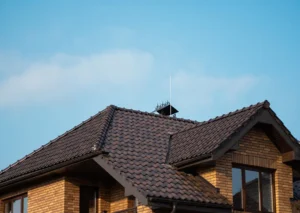
Building a new home or commercial property in Arlington requires a roof installation that can perform reliably for years to come. Rainstone provides precise, high-quality installation services tailored to each project’s needs. As a professional roof installation company, we help clients select the right materials and ensure every component is installed to withstand the Texas climate. Whether you’re planning new construction or renovating an existing structure, Rainstone is ready to support your goals. Contact us at 817-383-2869 for a free consultation and expert installation guidance.
What to Consider When Installing a New Roof
Installing a new roof is a major investment for any property owner in Arlington, Texas. A roof protects the structure, ensures energy efficiency, and contributes to the overall value of a home or commercial building. Because of its importance, careful planning and consideration are critical before beginning a roofing project. Understanding the key factors involved in a roof installation helps property owners make informed decisions, avoid costly mistakes, and ensure the new roof performs as expected for years to come.
Selecting the Right Roofing Material
The choice of roofing material is one of the most important decisions in a roof installation. Each material has advantages and limitations that affect durability, maintenance, appearance, and cost. Asphalt shingles are popular due to affordability and ease of installation, while metal roofing offers long-term durability, energy efficiency, and resistance to extreme weather. Tile and slate roofs provide a premium aesthetic and long lifespan but require additional structural support and higher upfront investment.
Material selection should consider the local climate, building structure, and budget. For Arlington properties, where summers are hot and storms are common, materials that withstand heat, heavy rain, and occasional hail are particularly important. Consulting with a professional roofing contractor can help identify the most suitable options for a specific property.
Evaluating the Condition of the Existing Roof
Before installing a new roof, it’s essential to assess the condition of the existing structure. Roofs with extensive damage, rotting wood, or multiple layers of shingles may require additional preparation, including removal of old materials and repair of the roof deck. Proper evaluation prevents future issues, ensures proper installation, and extends the lifespan of the new roof.
A professional inspection can identify underlying problems that may not be visible from the ground. Addressing these issues before installation helps avoid costly repairs and ensures that the new roof functions as intended.
Understanding Roof Pitch and Design
The pitch, or slope, of the roof affects material selection, installation techniques, and overall cost. Steeper roofs may require additional safety measures and specialized equipment, increasing labor costs. Complex roof designs with multiple angles, dormers, or skylights can also add to installation time and expense.
Understanding the roof’s design allows property owners to plan appropriately and ensures that the installation process proceeds efficiently. Contractors can recommend solutions for complex rooflines that maintain both structural integrity and aesthetic appeal.
Considering Ventilation and Insulation Needs
Proper roof ventilation and insulation are critical to the performance and longevity of a new roof. Adequate ventilation reduces heat buildup in the attic, which can extend the life of roofing materials and lower cooling costs. Insulation helps maintain consistent indoor temperatures, improving energy efficiency and comfort.
During roof installation, property owners should consider upgrading or adding ventilation and insulation as part of the project. This proactive approach improves the overall performance of the roof and can prevent problems such as moisture buildup, mold, and ice dams.
Budgeting for Material and Labor Costs
Roof installation costs include both materials and labor. Material costs vary depending on the type, quality, and brand of roofing chosen. Labor costs depend on roof size, complexity, accessibility, and contractor rates. Property owners should obtain detailed estimates from multiple contractors to understand the full scope of costs and avoid surprises.
While it may be tempting to choose the lowest bid, quality and experience should take priority. Skilled contractors provide proper installation techniques, ensure adherence to building codes, and deliver a roof that lasts. Cutting corners can result in leaks, structural damage, and reduced lifespan, ultimately costing more in repairs or early replacement.
Permits and Local Building Codes
Roof installations in Arlington may require permits and compliance with local building codes. Permit requirements ensure that the work meets safety standards and structural regulations. Professional roofing contractors typically handle the permitting process as part of their service, ensuring that the installation is legal and up to code.
Property owners should confirm that contractors are licensed, insured, and knowledgeable about local regulations. Proper permitting protects both the property and the homeowner in case of future disputes or inspections.
Scheduling and Timing Considerations
The timing of a roof installation can impact costs and project efficiency. Roofing during peak construction seasons may lead to higher labor rates and longer wait times, while off-season projects may offer more flexibility and competitive pricing. Weather conditions should also be considered, as rain, extreme heat, or high winds can delay installation and affect material performance.
Coordinating the installation during favorable conditions reduces risks, ensures a smooth process, and protects the materials from damage during construction.
Long-Term Maintenance Planning
A new roof requires regular maintenance to ensure optimal performance and longevity. Planning for ongoing inspections, cleaning, and minor repairs helps prevent small issues from becoming significant problems. Discussing maintenance requirements with the roofing contractor during installation provides guidance on how to care for the roof over its lifespan.
Proactive maintenance extends the life of the roof, improves energy efficiency, and protects the property from weather-related damage. Establishing a routine schedule ensures that the investment in a new roof delivers maximum value.
Installing a new roof in Arlington involves careful consideration of multiple factors, including material selection, existing roof condition, roof pitch and design, ventilation and insulation, budgeting, permits, timing, and long-term maintenance. Each element contributes to the performance, durability, and cost of the roofing project.
Working with an experienced and licensed roofing contractor ensures that the installation is completed safely, efficiently, and to the highest standards. By understanding what to consider before installation, property owners can make informed decisions, protect their investment, and enjoy a roof that provides reliable protection and lasting value for years to come.
Build a Strong Foundation With Expert Roof Installation
A proper installation lays the groundwork for a roof that performs reliably for years. Choosing an experienced roof installation company ensures your Arlington property receives the craftsmanship and attention it deserves from the very beginning. Rainstone offers professional installation services that prioritize durability, efficiency, and long-term protection. Whether you’re constructing a new property or upgrading an existing one, our team is ready to help. Contact Rainstone at 817-383-2869 for guidance and dependable services that support your roofing goals.