
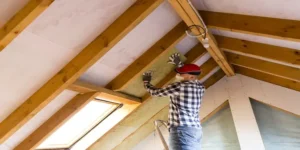
Timely roof repair helps prevent minor issues from escalating into costly structural damage. Rainstone provides thorough repair services throughout Tarrant County, Texas, addressing leaks, storm damage, and general wear. As a reliable roof repair company, Rainstone prioritizes identifying the root cause of problems rather than applying temporary fixes. Each repair begins with a detailed inspection and clear recommendations. Prompt action can help preserve insulation, interiors, and overall property value. If your roof shows signs of damage, contact Rainstone at 817-383-2869 for a free consultation and professional evaluation.
How Texas Weather Can Damage Roofs Over Time
Roofs in Tarrant County, Texas, face some of the toughest environmental conditions in the country. From scorching summer heat to heavy rainstorms and occasional hail, the combination of weather elements can take a significant toll over time. Homeowners and business owners may not notice damage immediately, but gradual deterioration can lead to costly repairs if left unaddressed. Understanding how Texas weather affects roofs can help property owners take preventive measures and protect their investment.
Impact of Extreme Heat on Roofing Materials
Texas summers can bring prolonged periods of extreme heat, often exceeding 100 degrees Fahrenheit. High temperatures and constant sun exposure can accelerate the aging of roofing materials. Asphalt shingles may curl, crack, or lose granules, reducing their effectiveness in shedding water. Metal roofs can expand and contract, potentially loosening fasteners or causing seams to separate. Even tile roofs, while highly heat-resistant, can experience thermal stress over time, leading to minor cracks or chips.
UV radiation also plays a role in roof deterioration. Continuous sun exposure breaks down the chemical bonds in many roofing materials, making them brittle and more prone to damage. Coatings and reflective surfaces can help mitigate heat and UV damage, but even protected roofs require regular inspections to identify early signs of wear.
Damage From Heavy Rain and Storms
Tarrant County experiences seasonal thunderstorms that can bring intense rainfall. While roofs are designed to shed water efficiently, prolonged or heavy rain can test their limits. Standing water on flat or low-slope roofs can weaken membranes, lead to leaks, and damage underlying structures.
Wind-driven rain can infiltrate roof edges, valleys, and areas around penetrations such as vents and skylights. Over time, repeated exposure to rain and moisture can cause rot in wooden roof decks, rust in metal components, and deterioration of sealants and flashings. Proper installation, including effective flashing and water barriers, reduces the risk, but regular maintenance is essential to catch small leaks before they escalate.
Hail Damage and Impact Risks
Hailstorms are a common weather hazard in North Texas. Even small hail can damage roofing materials, while larger hailstones can crack tiles, dent metal panels, or puncture shingles. Repeated hail exposure accelerates wear and can compromise the roof’s protective layers.
After a hailstorm, it is important to have a professional inspection. Hail damage is not always immediately visible, and overlooked issues can lead to leaks or structural problems. Prompt repairs minimize water intrusion, reduce the risk of interior damage, and maintain the roof’s longevity.
Wind and Storm-Related Wear
Strong winds, particularly during severe thunderstorms, can lift shingles, loosen fasteners, or damage roof edges. Continuous wind exposure over time can gradually wear down roofing materials, causing gaps or misalignment. Roofs that are not properly anchored or have aging fasteners are particularly vulnerable.
Debris carried by wind, such as tree branches or loose objects, can puncture or scratch roofing surfaces. Regular inspections after storms are important to identify damage from wind or debris that may not be obvious from the ground. Repairing minor issues quickly prevents water intrusion and structural problems.
Temperature Fluctuations and Thermal Stress
Texas weather is not only hot but also experiences wide temperature swings between day and night, and across seasons. These fluctuations cause roofing materials to expand and contract repeatedly. Over time, this thermal stress can lead to cracking, splitting, or loosening of shingles, tiles, or membranes.
Flat roofs are especially susceptible because the materials have less natural drainage and experience prolonged exposure to standing water in addition to thermal cycling. Flexible roofing materials, proper installation, and adequate ventilation can reduce the effects of thermal stress, but monitoring for early signs of material fatigue is still critical.
Common Signs of Roof Damage
Property owners should watch for visible signs of weather-related roof damage. These include missing or cracked shingles, loose or broken tiles, rust on metal roofs, water stains on ceilings, and sagging areas on flat roofs. Interior leaks, mold growth, and increased energy bills may also indicate compromised roofing.
Regular roof inspections, ideally twice a year and after severe weather events, help detect these issues before they develop into major problems. Early detection allows for targeted repairs rather than full roof replacement, saving time and money.
Preventive Measures to Extend Roof Life
Preventive maintenance is key to protecting roofs from Texas weather. Cleaning gutters and downspouts ensures proper water drainage, reducing the risk of standing water and leaks. Trimming overhanging tree branches minimizes impact damage from falling limbs. Applying protective coatings can reflect sunlight, resist moisture, and reduce material degradation.
Professional inspections identify potential weak points, worn sealants, or damaged flashings. Routine maintenance may include replacing damaged shingles or tiles, resealing penetrations, or reinforcing flashing. These measures help maintain the roof’s integrity, improve energy efficiency, and extend its lifespan.
Choosing Durable Materials
Selecting the right roofing material for Texas weather is an important preventive strategy. Metal, tile, and high-quality asphalt shingles each have advantages. Metal roofs resist fire, wind, and hail and reflect heat efficiently. Tile roofs handle extreme heat and offer longevity with minimal maintenance. Asphalt shingles are cost-effective and widely available, with options designed for high-temperature and impact resistance.
The choice of material should consider the building structure, local climate conditions, and long-term maintenance expectations. Professional roofing contractors can provide guidance on the best materials for specific properties in Tarrant County.
Roofs in Tarrant County are constantly exposed to extreme heat, storms, hail, and fluctuating temperatures. Over time, these factors can degrade materials, cause leaks, and lead to costly repairs. Understanding how Texas weather affects roofs helps property owners take proactive steps, from regular inspections and maintenance to choosing durable materials suited for the climate.
By addressing minor issues early and implementing preventive measures, homeowners and business owners can protect their investment, extend the life of their roof, and maintain a safe, comfortable, and efficient building for years to come.
Resolve Problems Effectively Through Roof Repair
Timely repairs play a key role in protecting your roof and preventing larger issues. Rainstone assists property owners throughout Tarrant County, Texas with thorough evaluations and dependable solutions. Working with a trusted roof repair company helps ensure issues are corrected properly rather than temporarily masked. Rainstone focuses on identifying root causes and delivering lasting fixes. Prompt repairs can help preserve insulation, interior finishes, and overall structural integrity. If you have concerns about leaks or damage, taking action early is critical. Contact Rainstone at 817-383-2869 to arrange a professional assessment and plan repairs with confidence.