
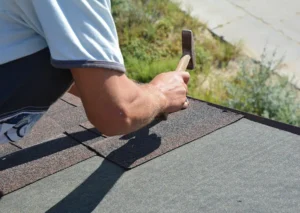
Places of worship in Dallas require a roofing system that preserves both structural integrity and architectural beauty. Rainstone provides tailored church roofing services designed to meet the unique needs of religious buildings, from modern facilities to historic sanctuaries. As a dedicated church roofing company, we understand the importance of minimizing disruptions while ensuring long-lasting protection. Our team works closely with each congregation to select materials that complement the property and stand strong against Texas weather. To learn more or request an evaluation, contact Rainstone at 817-383-2869 for a free consultation.
Unique Roofing Needs of Churches and Historic Buildings
Churches and historic buildings in Dallas are more than just structures. They hold architectural significance, community history, and often unique design elements that require special attention when it comes to roofing. Maintaining these buildings involves more than basic repairs. Roof systems must protect the structure, preserve historic value, and address specific design challenges. Choosing the right materials and methods is essential to ensure longevity and compliance with preservation standards.
Recognizing the Challenges of Historic Roofing
Historic and older buildings often feature unique architectural details, steep slopes, or complex rooflines that present challenges not found in standard commercial or residential construction. Many historic buildings were built before modern roofing technologies existed, which can result in aging materials, weakened supports, or outdated insulation. Proper maintenance and thoughtful upgrades are necessary to protect the building without compromising its historical integrity.
Churches, in particular, may include spires, steeples, domes, or other decorative features. These elements can make inspections, repairs, and replacements more complex. Accessing these areas safely requires specialized equipment and experienced roofing professionals. Improper installation or repairs can cause damage to both the roof and the architectural details, leading to costly restoration.
Choosing Materials that Respect Historical Integrity
Selecting the right roofing material is critical for both protection and appearance. Many historic structures originally used slate, clay tiles, wood shingles, or copper. Modern roofing materials now offer alternatives that mimic the look of traditional materials while providing enhanced durability, weather resistance, and energy efficiency.
Metal roofing is often used as a substitute for slate or clay tiles because it is lightweight, long-lasting, and low maintenance. Stone-coated metal roofing can replicate the texture and appearance of shingles or tiles while offering superior resistance to hail, wind, and fire. For churches and historic buildings in Dallas, these modern materials provide a balance between preserving aesthetics and ensuring long-term protection.
Addressing Structural Considerations
Older buildings may have roofs that were not designed to support the weight of modern materials or heavy equipment. Before installing or replacing a roof, it is important to assess the structure’s load-bearing capacity. Reinforcements or structural upgrades may be necessary to ensure safety and prevent damage. An experienced roofing contractor can evaluate the roof frame, supports, and decking to recommend appropriate solutions.
Energy Efficiency and Insulation Upgrades
While preserving historic appearance is important, energy efficiency cannot be overlooked. Many older buildings have minimal insulation or outdated HVAC systems. Roof replacement or restoration provides an opportunity to improve insulation and reduce energy costs without altering the building’s visual character. Installing reflective coatings, insulated panels, or underlayments can help regulate temperature and enhance comfort for occupants.
Maintenance and Preventative Care
Routine inspections and maintenance are crucial for churches and historic buildings. Roofs of these structures often include areas prone to water accumulation or damage, such as valleys, decorative edges, or flat sections. Regular cleaning of debris, gutter maintenance, and inspection of flashing and sealants can prevent leaks and structural deterioration.
Early intervention is especially important for historic buildings, where small leaks can damage interior finishes, wood framing, or decorative elements. Maintenance plans tailored to the building’s design and materials help extend the roof’s lifespan and protect both the structure and its historical value.
Compliance with Preservation Guidelines
When working on historic buildings, compliance with preservation standards is often required. Local historic commissions or preservation societies may have regulations regarding materials, installation methods, and appearance. Roofing contractors experienced with historic projects can navigate these requirements and ensure that work aligns with local guidelines. Compliance not only preserves the building’s heritage but also protects property owners from potential fines or legal issues.
Handling Complex Roof Designs
Churches and historic buildings frequently feature intricate roof designs, including steep pitches, turrets, and domed sections. These areas require specialized knowledge for proper installation, flashing, and sealing. Safety is also a major consideration, as accessing high or irregular sections of the roof can be hazardous. Professional roofing teams bring the expertise, equipment, and safety protocols necessary to complete these projects efficiently and effectively.
Balancing Restoration and Modern Performance
One of the main challenges in roofing historic buildings is balancing restoration with modern performance. Owners want to maintain the building’s character, but they also need a roof that can withstand Dallas weather, including hail, high winds, and intense sun. Modern materials and installation techniques allow contractors to meet both goals, providing protection, longevity, and energy efficiency without altering the building’s historic appearance.
Planning for Long-Term Preservation
A roof is a critical part of a building’s preservation strategy. Investing in high-quality materials, professional installation, and routine maintenance protects the structure from water intrusion, weather damage, and structural stress. Proper planning ensures that churches and historic buildings in Dallas remain safe, functional, and visually accurate for decades. Regular inspections, timely repairs, and strategic upgrades extend the roof’s lifespan and safeguard the building’s architectural heritage.
Churches and historic buildings require specialized roofing solutions that combine durability, aesthetics, and preservation standards. Understanding structural limitations, selecting appropriate materials, and implementing preventative maintenance are essential to protecting these unique structures. Modern roofing technologies, including stone-coated metal, metal panels, and reflective coatings, offer the ability to maintain historical appearance while improving energy efficiency and longevity. Partnering with an experienced roofing company ensures the project is handled safely, professionally, and in accordance with preservation guidelines. By addressing the unique roofing needs of churches and historic buildings in Dallas, property owners can safeguard both the structure and its historical significance for generations to come.
Protect Your Place of Worship With Skilled Church Roofing Care
A church roof requires a careful approach that respects both the structure and the congregation it serves. As a trusted church roofing company in Dallas, Rainstone focuses on delivering dependable workmanship that preserves the integrity and beauty of your facility. Whether your building is modern or historic, our team provides thoughtful guidance and solutions built for long-term durability. When your church is ready for reliable roofing support that prioritizes safety and stewardship, contact Rainstone at 817-383-2869. We are here to help your property remain secure for years to come.