
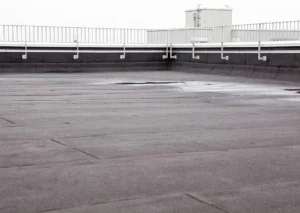
Flat roofing systems are common in Dallas, particularly among commercial and modern residential properties, due to their functionality and clean aesthetic. Rainstone provides expert installation, repair, and maintenance services to ensure your flat roof remains secure, efficient, and watertight year-round. As a reliable flat roofing company, we offer solutions tailored to the unique drainage and structural needs of these systems. Whether you’re addressing leaks or planning a new installation, our team is ready to assist. Contact Rainstone at 817-383-2869 for a free consultation.
How Proper Drainage Protects Flat Roofs From Damage
Flat roofs are a common choice for commercial and industrial buildings in Dallas. They provide easy access for maintenance, space for rooftop equipment, and a modern architectural look. However, flat roofs face unique challenges when it comes to water management. Unlike sloped roofs, water does not naturally run off quickly, which makes proper drainage essential. Without adequate drainage, standing water, leaks, and structural damage can develop, leading to costly repairs and reduced roof lifespan.
Understanding the Importance of Roof Drainage
Water accumulation on a flat roof is known as ponding, and it poses serious risks. Even a small amount of standing water can increase the weight load on the roof, potentially stressing the structural supports. Over time, ponding water can lead to material deterioration, membrane punctures, and leaks. Roof drainage systems are designed to channel rainwater away from the roof efficiently, preventing these issues and extending the roof’s life.
In Dallas, sudden heavy rainstorms are common, particularly during spring and early summer. A flat roof that cannot drain effectively is more likely to experience water-related problems during these events. Efficient drainage ensures that water is removed quickly, minimizing exposure to standing water and reducing the risk of structural damage.
Key Components of Flat Roof Drainage Systems
A flat roof drainage system typically consists of scuppers, internal drains, gutters, and downspouts. Each component works together to remove water from the roof surface. Scuppers allow water to exit through openings at the edges of the roof, while internal drains collect water and direct it through pipes to the ground or stormwater system. Gutters and downspouts carry water away from the building’s foundation, preventing flooding and soil erosion. Proper design, installation, and maintenance of these components are essential for effective drainage.
Preventing Structural Damage
One of the primary reasons drainage is critical is that standing water increases the load on the roof structure. Flat roofs are engineered to support a certain amount of weight, including the roofing materials, equipment, and occasional foot traffic. Excess water can exceed these limits, causing sagging, deck deflection, or even structural failure in extreme cases. Proper drainage distributes water effectively, reducing stress on the roof system and helping preserve the building’s integrity.
Protecting Roofing Materials
Standing water accelerates the deterioration of roofing materials. Flat roof membranes, such as TPO, EPDM, or modified bitumen, are designed to resist water, but constant exposure can lead to degradation over time. Prolonged contact with moisture can cause blistering, cracks, and leaks. Drainage systems keep the roof surface dry, preserving the membrane and extending its functional life. Additionally, effective drainage reduces the likelihood of algae, mold, or mildew growth, which can further compromise the roof.
Energy Efficiency and Drainage
Effective drainage can also improve a building’s energy efficiency. Flat roofs that retain water are more likely to experience thermal imbalance. Standing water absorbs and retains heat, which can affect the temperature inside the building. Over time, this places additional strain on HVAC systems, leading to higher energy consumption and utility costs. Proper drainage helps maintain consistent roof temperatures and supports energy-efficient operation.
Maintenance and Inspection of Drainage Systems
Regular maintenance is essential to ensure that a flat roof’s drainage system functions properly. Roof drains, scuppers, gutters, and downspouts should be inspected at least twice a year and after significant storms. Debris such as leaves, dirt, and construction materials can clog drains, reducing efficiency and causing water to pool. Cleaning and clearing blockages promptly prevents ponding and minimizes damage to the roof and building structure.
Inspection should also include checking for signs of wear, corrosion, or damage to drainage components. Leaking pipes, rusted scuppers, or loose flashing can compromise the system’s effectiveness. Addressing these issues early helps avoid costly repairs and extends the life of the roof.
Design Considerations for New Flat Roofs
For new flat roof installations in Dallas, proper drainage should be a primary design consideration. Roof slopes, while subtle, are critical for guiding water toward drains or scuppers. Engineers and roofing contractors must calculate the appropriate slope to prevent ponding while maintaining the functional design of the building. Additionally, the placement and number of drains should be sufficient to handle expected rainfall levels, particularly during Dallas’ heavy rainstorms.
The Role of Roof Coatings and Surface Treatments
Applying protective roof coatings can complement a drainage system. Coatings create a seamless surface that enhances waterproofing and prevents minor leaks. Reflective coatings also reduce heat absorption, which can help prevent material degradation caused by thermal expansion and contraction. When combined with proper drainage, coatings contribute to a longer-lasting and more durable flat roof.
Emergency Measures During Heavy Rain
Even with a well-designed drainage system, extreme weather events can challenge flat roofs. Property owners should have emergency procedures in place to address potential ponding or overflow. Temporary solutions, such as portable pumps or sandbags, can redirect water away from vulnerable areas. Having a professional roofing contractor on call can help respond quickly to urgent situations, minimizing damage and downtime.
Proper drainage is critical to protecting flat roofs from water damage, structural stress, and material deterioration. In Dallas, where sudden storms and high rainfall can occur, ensuring that drains, scuppers, gutters, and downspouts function efficiently is essential. Regular inspection, maintenance, and thoughtful design all contribute to effective drainage, which preserves the roof’s integrity, extends its lifespan, and enhances energy efficiency. For property owners, investing in proper drainage is not just a preventative measure—it is a long-term strategy that safeguards the building, reduces maintenance costs, and protects the investment in your property.
Secure Long-Term Performance With Expert Flat Roofing Care
Flat roofs require specialized attention to ensure proper drainage and long-term durability, especially in Dallas where weather patterns can place stress on building structures. Rainstone serves the region as a dependable flat roofing company, offering precise installation and maintenance designed to prevent common issues. Our team focuses on delivering reliable solutions that support both functionality and longevity. When you need a roofing partner who understands the unique demands of flat systems, call Rainstone at 817-383-2869. We are committed to helping your property remain strong year-round.